Anagyrus pseudococci
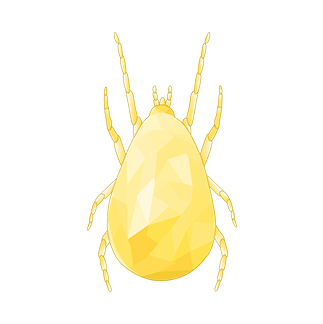
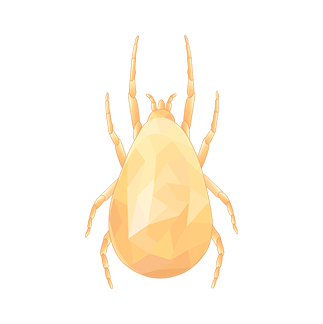
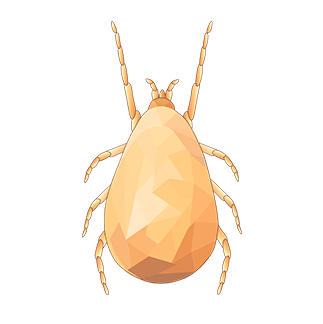
Anagyrus pseudococci is from the family of parasitic wasps Encyrtidae Hymenoptera, which parasitizes on mealybugs. The adult female is about 2 mm in size, has a specific brown colour with greyish stripes on the back and characteristic white antennae, the main part of the body is large, has a disc shape and is almost completely black, the rest is flagellate. The male is smaller in size, black with symmetrical antennae covered with bristles. Limbs are clearly visible in both sexes. Anagyrus pseudococci is a typical species of the Mediterranean basin, where it is inactive from spring to autumn and reproduces several generations with cycles of 3-4 weeks. It is used in biological control programs for grapes and citrus fruits, as well as for ornamental plants and in greenhouses against Planococcus Vitis and Planococcus Citri. Females lay eggs inside the second and third stages of the worm, in immature and in adult pregnant females. The breeding rate is very high, so they are effective even at a low eviction rate and, therefore, can be used in the open field starting in April. Anagyrus contains 250 adult individuals, which must be released near plants for effective actions without the risk of hunting ants. The concentration ranges from 1,000 to 2,000 individuals per hectare, depending on the conditions. In case of infection, it can be seen that the use can be effective against two predators, Nephus and/or Cryptolaemus.
Application of Anagyrus pseudococci:
The use of Anagyrus is reduced to preventive injections as soon as the first signs of mealybugs are detected. The average rate of application per 1 ha is from 1000 to 2000 individuals. Each crop and each specific pest requires an individual approach, our specialists are always ready to give professional advice on these issues.

.png)